

Visit Tiddis Roman Ruins near Constantine
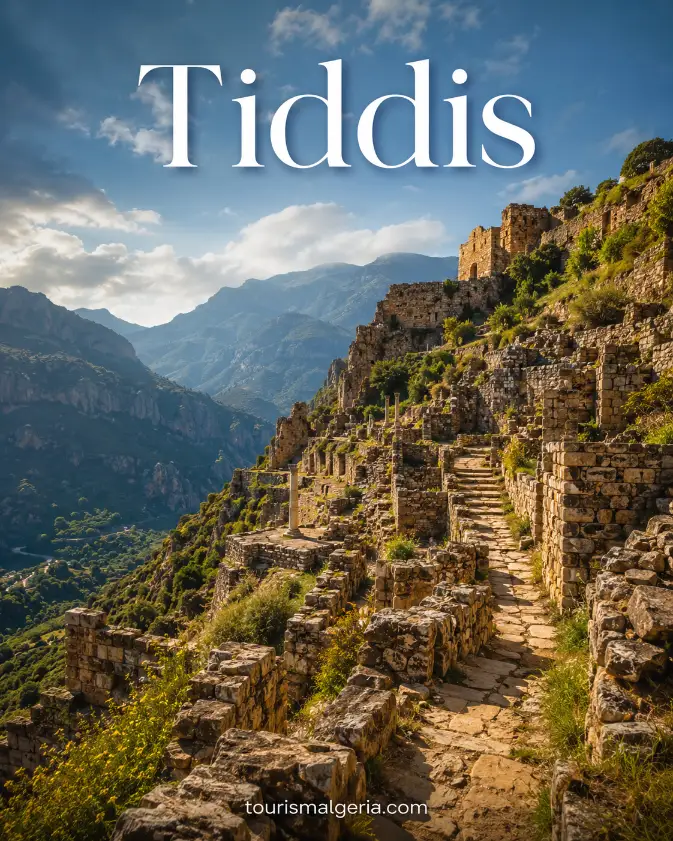
The Tiddis Roman ruins near Constantine are the remains of an ancient Numidian and Roman settlement built on a rocky hillside, where stone streets, arches, cisterns, baths, tombs and defensive structures overlook the surrounding valleys.
Why Visit Tiddis from Constantine
A visit to Tiddis is useful for travellers who want to discover a quieter archaeological site near Constantine, away from the better-known ruins of Timgad and Djemila, while still experiencing Roman, Numidian and early Christian heritage in eastern Algeria.
Where Tiddis Is Located
Tiddis is located about 30 kilometres from Constantine, in a dramatic highland setting that makes the site especially attractive for travellers combining the bridges of Constantine with Roman archaeology, mountain scenery and rural landscapes.
Tiddis and Ancient Cirta
The ancient settlement was connected to Cirta, the Roman name of Constantine, and its position helped protect the wider area, making Tiddis both a defensive site and a small urban settlement adapted to difficult terrain.
A Roman Site Built on a Hillside
Unlike flat Roman cities, Tiddis follows the shape of the mountain, with ruins spread across slopes, rocks and terraces, giving visitors a more rugged experience than classical grid-plan sites such as Timgad.
Numidian, Roman and Christian Layers
Tiddis is especially interesting because it reflects several historical layers, including Numidian origins, Roman urban development, defensive functions, water systems and later Christian traces, showing how different communities adapted the same landscape over time.
What Visitors Can See in Tiddis
Visitors can explore stone-paved streets, remains of Roman baths, temples, cisterns, tombs, arches and early Christian chapels, all set on a mountain slope with wide views over the surrounding Constantine countryside.
The Stone Streets of Tiddis
The stone streets are one of the strongest visual elements of the site, helping travellers follow the ancient route through the settlement while seeing how the builders adapted movement to steep ground and rocky formations.
Cisterns and Water Systems
Water management is one of the most important features of Tiddis, because the site had to rely on cisterns and rainwater systems, making its ruins valuable for understanding survival and planning in a difficult mountain environment.
Tombs and Funerary Remains
The tombs and funerary structures at Tiddis show the importance of burial traditions and memory in the ancient settlement, while also adding variety to the visit beyond streets, walls and public buildings.
Tiddis as a Day Trip from Constantine
Tiddis is an excellent half-day or day-trip option from Constantine because travellers can visit the ruins, return to the city, and combine the excursion with Sidi M’Cid Bridge, the old town, the ravines and Constantine’s museums.
Best Time to Visit Tiddis
The best time to visit Tiddis is usually spring or autumn, when walking on uneven stones and exposed slopes is more comfortable, and when the surrounding hills can be greener and more photogenic.
How Long to Spend at the Site
A simple visit may take one to two hours, but travellers interested in archaeology, photography and landscape views should allow more time because the site requires walking, climbing and careful movement across uneven ground.
Practical Travel Tips
Visitors should wear good walking shoes, bring water, avoid the hottest hours, check access conditions before travelling, use a local driver or guide if needed, and remember that Tiddis is more rugged than many urban archaeological sites.
Main Highlights of the Tiddis Roman Ruins
- Hillside Archaeological Setting
Tiddis stands on a rocky slope, giving the site a dramatic position above the valleys near Constantine. - Ancient Link with Constantine
The site was historically connected to Cirta, making it a natural extension of any heritage visit to Constantine. - Roman Stone Streets
The paved streets help visitors follow the ancient layout and understand movement through the settlement. - Cisterns and Water Tanks
The water systems are among the most important remains because they show how the town survived in a dry, elevated position. - Roman Baths
The bath remains reflect the social and urban habits of Roman life, even in a smaller mountain settlement. - Temples and Religious Remains
Religious structures show how spiritual life formed part of the ancient city’s public and private spaces. - Early Christian Chapels
Christian remains add another historical layer to the site and show how Tiddis continued to evolve after the classical Roman period. - Tombs and Funerary Monuments
The tombs help visitors understand burial traditions and the symbolic importance of the settlement. - Panoramic Views
The elevated location gives Tiddis one of the most impressive landscape settings among Algeria’s Roman ruins. - Quiet Heritage Experience
Tiddis is ideal for travellers who want a less crowded archaeological visit close to Constantine.
Source: Embassy of Algeria cultural heritage information.
How to Use This Page Before Visiting Tiddis
Travellers should use this guide to plan transport from Constantine, choose a comfortable time of day, prepare for uneven walking, prioritise the cisterns, streets, tombs and views, and combine Tiddis with Constantine’s bridges and historic centre.
Algeria trip planer 3 days, 5 days, 7 days
Hotels Comparator in Algeria
Algiers-Kasbah english speaking guide
Algeria Ferries
Algerie Car Rental
Sahara Desert Hotels in Algeria
Algeria Visa Application
Casbah of Algiers
Algiers Church of Notre-Dame d’Afrique
Makam El Chahid
Timgad
Djemila
Tipaza Roman Ruins
Royal Mausoleum of Mauritania
Tiddis
Hippo Regius (Annaba) ruins
Lambaesis
Qal’a of Beni Hammad